Blog

  • Complete Protein: What It is, Best Food Sources & Difference Between Animal and Plant Protein

    Understanding complete protein is essential if you want to build balanced meals that support muscle, metabolism, and overall health. If you’re unsure how protein works in the body, start with our simple guide on what protein is.

    In this article, we’ll focus specifically on complete protein, the best complete protein foods, and the key differences between animal protein and plant protein so you can make informed choices that support your nutrition goals.

    What Is Complete Protein?

    A complete protein is a protein source that contains all nine essential amino acids your body must get from food. These amino acids support:

    ‱ Muscle repair

    ‱ Hormone production

    ‱ Enzyme activity

    ‱ Immune function

    ‱ Healthy skin and tissue

    Your body cannot make essential amino acids on its own — so complete protein foods are valuable because they provide everything in one place.

    Essential Amino Acids & Why They Matter

    The nine essential amino acids include:

    ‱ Leucine

    ‱ Isoleucine

    ‱ Valine

    ‱ Histidine

    ‱ Lysine

    ‱ Methionine

    ‱ Phenylalanine

    ‱ Threonine

    ‱ Tryptophan

    These amino acids help your body build muscle, recover from stress, regulate mood, and maintain strong metabolic function. Without them, your body pulls amino acids from muscle tissue to survive — leading to weakness and slow metabolism.

    Complete Protein Foods You Should Be Eating

    Some foods naturally contain all essential amino acids, while others require combinations to be complete. Let’s break them down by source.

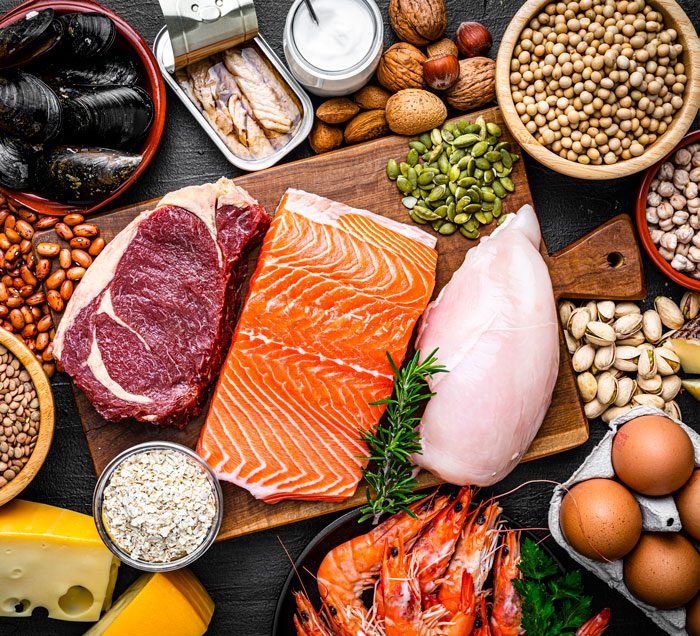
    Top Animal-Based Complete Protein Sources

    Animal protein are naturally complete, making them easy and efficient sources of amino acids. For a deeper breakdown of how protein functions in your body, read what protein is made of.

    Some of the best options include:

    These foods offer high bioavailability, meaning your body absorbs the amino acids easily.

    Top Plant-Based Complete Protein Sources.

    Most plant proteins are incomplete, but there are a few exceptional complete plant foods:

    These foods are excellent options for vegetarian or vegan diets because they naturally contain all essential amino acids.

    To understand the symptoms of not getting enough protein, visit our guide on protein deficiency(#4).

    Complete Protein Foods for Vegetarians & Vegans

    If you follow a plant-based diet, you don’t need to worry — you can still get complete protein by combining certain foods. According to Healthline, complete proteins contain all nine essential amino acids that your body needs for growth, repair, and hormone regulation(#).

    Vegetarian-friendly complete protein options include:

    ‱ Tofu

    ‱ Greek yogurt

    ‱ Cottage cheese

    ‱ Eggs

    ‱ Quinoa bowls

    ‱ Beans + rice

    ‱ Hummus + whole grains

    ‱ Lentils + seeds

    Proper combinations can match the amino acid quality of animal proteins.

    Complete Protein vs Incomplete Protein

    Understanding the difference helps you build balanced meals.

    Complete protein = all essential amino acids

    Incomplete protein = missing one or more essential amino acids

    Most grains, nuts, seeds, and legumes are incomplete — but when paired, they form a complete profile.

    Examples of food combinations:

    ‱ rice + beans

    ‱ peanut butter + whole grain bread

    ‱ hummus + whole wheat pita

    This is how traditional diets worldwide naturally create complete proteins without relying on meat.

    If you want to learn why protein play such an important role in your daily health, see our guide on why protein is important.

    How To Combine Plant Proteins To Make Them Complete

    You don’t need to eat complementary proteins in the same meal – the body stores amino acids for several hours. But pairing foods throughout the day ensures your body gets the full spectrum.

    Great Combinations include:

    This approach lets plant-based eaters meet their amino acid needs with ease.

    Animal Protein vs Plant Protein: Which Is Better?

    Both animal and plant proteins offer benefits — the real winner depends on your lifestyle, health goals, and dietary needs.

    Let’s compare them fairly.

    29aff8ca-d2ea-4929-90bd-55b2061ef61d

    Benefits Of Animal Protein

    Animal protein provides:

    ‱ High bioavailability

    ‱ Complete amino acid profiles

    ‱ Vitamin B12

    ‱ Iron

    ‱ Zinc

    ‱ Omega-3s (from fish)

    These nutrients support muscle maintenance, energy levels, and hormone function.

    Benefits Of Plant Protein

    Plant protein offers:

    ‱ Higher fiber

    ‱ Lower saturated fat

    ‱ Improved heart health

    ‱ More antioxidants

    ‱ Reduced inflammation

    ‱ Sustainable eating patterns

    Plant proteins also support digestive health and long-term wellness.

    Which One Should YOU Choose?

    If your goal is:

    ‱ muscle growth → animal protein offers faster results

    ‱ heart health → plant proteins offer long-term protection

    ‱ balanced diet → mixing both works best

    ‱ vegan/vegetarian lifestyle → plant combinations can fully meet needs

    There’s no “best” choice — the key is consistency and variety.

    Common Myths About Protein Sources

    Let’s clear up some misunderstandings.

    Myth #1: Plant Proteins Can’t Build Muscle

    False.

    Athletes build muscle successfully on plant-based diets using:

    ‱ Soy

    ‱ Lentils

    ‱ Quinoa

    ‱ Pea protein

    ‱ Tofu

    Muscle growth comes from total protein intake — not just animal sources.

    Myth #2: All Animal Proteins Are “Complete”

    Not true.

    Most animal proteins are complete, but gelatin and collagen are missing key amino acids like tryptophan. That’s why collagen is not considered a complete protein.

    FAQ

    What Is A Complete Protein?

    A food that contains all nine essential amino acids your body needs.

    What Are Examples Of Complete Protein Foods?

    Eggs, chicken, fish, quinoa, tofu, chia seeds, and Greek yogurt.

    Are Plant Proteins Complete?

    Most are not, but foods like quinoa, soy, chia, and amaranth are complete.

    Is Animal Protein Better Than Plant Protein?

    Neither is “better”; animal protein absorbs faster, while plant protein offers more fiber and antioxidants.

    Can Vegans Get Complete Protein?

    Yes – by eating tofu, quinoa, grains with legumes, seeds, and plant protein powders.

    Do I Need Complete Protein At Every Meal?

    No. As long as you eat a variety of proteins throughout the day, your body gets what it needs.

    Conclusion

    Complete protein plays a major role in helping you maintain muscle strength, balanced hormones, and steady energy throughout the day. Now that you know which foods provide all essential amino acids, explore the rest of our protein series to strengthen your nutrition habits. Learn why protein matters, understand what protein is, and see the signs of protein deficiency so you can make confident decisions about your daily protein intake. Building meals with complete protein sources is one of the simplest ways to support your long-term health.

  • Protein Deficiency: Symptoms, Causes & Treatment Options Explained Clearly

    Protein deficiency affects far more people than most realize, and its symptoms often start subtly. If you’re not familiar with how protein functions in the body, you may want to see our simple guide on what protein actually is before diving deeper.

    In this article, we’ll focus specifically on protein deficiency, the signs to watch for, the causes of low protein levels in the blood, and the treatment options available.

    d9e2daab-a967-419d-9a9e-45a3b01278ff

    What Is Protein Deficiency?

    Protein deficiency happens when your body isn’t getting enough amino acids to support the processes that keep you alive and functioning. Instead of having raw material to repair tissue, balance hormones, and maintain muscle, your body is forced to break down its own protein stores.

    This leads to weakness, slower metabolism, fatigue, swelling, and a long list of symptoms many people misdiagnose as “stress” or “aging.”

    Protein deficiency can develop gradually or appear quickly depending on diet, lifestyle, or underlying health issues.

    Why Protein Levels Drop in the First Place?

    Protein levels don’t collapse overnight. They fall because:

    ‱ You’re not eating enough protein

    ‱ Your body is using protein faster than you consume it

    ‱ Your digestion or absorption is impaired

    ‱ You’re recovering from illness, surgery, or injury

    ‱ You’re following restrictive diets without proper planning

    Regardless of the reason, low protein eventually impacts muscles, immunity, skin, energy, and overall strength.

    Common Low Protein Signs You Shouldn’t Ignore

    Many early signs of low protein are subtle — but they’re also easy to spot once you know what to look for. These symptoms are often misattributed to “being tired,” “busy,” or “getting older,” which prevents people from fixing the root cause.

    Let’s break them down clearly.

    Early Symptoms of Low Protein

    These symptoms usually appear first:

    ‱ Constant fatigue or low energy

    ‱ Frequent cravings, especially sweets

    ‱ Brittle nails

    ‱ Hair shedding or thinning

    ‱ Trouble focusing or brain fog

    ‱ Slow wound healing

    ‱ Decreased strength or endurance

    Most people ignore these because they feel mild at first.

    If you want to understand why your protein needs may be higher than you think, read why protein is important for your daily health.

    Moderate to Severe Protein Deficiency Symptoms

    If deficiency continues, symptoms become more obvious and harder to ignore:

    ‱ Muscle loss (your body breaks down its own muscle tissue)

    ‱ Swelling in legs or ankles (low albumin levels)

    ‱ Weakened immune function

    ‱ Increased infections

    ‱ Frequent injuries

    ‱ Skin becoming dry, flaky, or thinning

    ‱ Noticeable weight loss or muscle wasting

    ‱ Digestive problems like bloating or poor appetite

    These symptoms indicate your body is running out of usable protein and shifting into survival mode.

    b2ac2c08-44ad-4334-8328-c2d7b836e07b

    How Low Protein Affects Daily Function

    Low protein doesn’t only impact appearance — it affects how you feel and function daily:

    ‱ Walking up stairs feels harder

    ‱ Carrying groceries becomes tiring

    ‱ Workouts stall or regress

    ‱ Mood becomes unstable

    ‱ Metabolism slows, making fat loss harder

    ‱ You feel “weak” even without exercise

    This is your body telling you it’s not getting what it needs.

    What Causes Low Protein Levels in the Blood?

    Many people ask:

    “What causes low protein levels in the blood?”

    There are three main categories: diet, medical conditions, and lifestyle. According to Cleveland Clinic, low protein levels can lead to swelling, muscle loss, fatigue, and weakened immunity.(#)

    To learn how protein normally functions in the body, see our article on what protein is made of and how it works.

    Dietary Causes

    These are the most common:

    ‱ Low-protein diets

    ‱ Plant-based diets without proper planning

    ‱ Skipping meals

    ‱ Low-calorie dieting

    ‱ Relying mostly on carbs or snacks

    ‱ Chronic under-eating

    You don’t have to be vegan or eating “junk food” to be deficient — simply eating too little protein is enough.

    Medical & Metabolic Causes

    Some health conditions cause protein levels to drop even if a person eats well:

    ‱ Liver disease (lowers albumin production)

    ‱ Kidney disorders

    ‱ Malabsorption issues

    ‱ Inflammatory bowel disease

    ‱ Chronic illness

    ‱ Infections or surgeries

    ‱ Burns or major injuries

    These conditions increase protein breakdown or reduce absorption.

    Lifestyle Factors

    Certain lifestyle patterns increase protein needs:

    ‱ Intense workouts

    ‱ High-stress jobs

    ‱ Poor sleep

    ‱ Chronic dieting

    ‱ Aging

    ‱ Pregnancy or breastfeeding

    If you don’t increase protein intake during these phases, deficiency can develop quickly.

    Protein Deficiency in Women vs Men

    While anyone can experience low protein, women are at higher risk, especially during certain stages of life.

    Why Women Are at Greater Risk

    Women often undereat protein because:

    ‱ They follow calorie-restricted diets

    ‱ They avoid “high-protein” foods thinking they make you bulky

    ‱ Appetite varies during menstrual cycles

    ‱ Pregnancy and breastfeeding increase protein needs

    ‱ Hormonal changes increase protein requirements

    ‱ Women underestimate how much protein they need daily

    This combination creates a perfect storm for deficiency.

    Signs Often Missed by Women

    Women often experience unique low-protein symptoms:

    ‱ Worsened PMS

    ‱ Weak hair and nails

    ‱ Intense sugar cravings

    ‱ Chronic fatigue

    ‱ Reduced strength

    ‱ Slower metabolism

    ‱ Mood swings

    These symptoms are often blamed on “hormones,” but low protein is a common underlying cause.

    What Is the Treatment for Low Protein in Blood?

    Treatment depends on the severity and underlying cause, but most cases can be improved with simple changes.

    For a list of foods that help restore amino acid levels quickly, check out our guide on complete protein sources.

    med

    Dietary Treatment Options

    If your deficiency is caused by low intake, the solution is straightforward:

    ‱ Increase protein at breakfast (sets hunger levels for the day)

    ‱ Add lean meats, eggs, tofu, Greek yogurt, cottage cheese

    ‱ Include protein snacks between meals

    ‱ Use protein powder if needed

    ‱ Aim for 1.0–1.6 g/kg daily

    Consistency matters more than perfection.

    When Medical Treatment Is Needed

    If low protein levels are caused by illness, you may need:

    ‱ IV albumin

    ‱ Digestive health treatment

    ‱ Infection management

    ‱ Liver or kidney support

    ‱ Supervised nutritional therapy

    Doctors will perform blood tests (albumin, total protein) to determine the severity.

    When to See a Doctor

    Seek medical guidance if you have:

    ‱ Swelling in legs or abdomen

    ‱ Unexplained weight loss

    ‱ Severe fatigue

    ‱ Chronic infections

    ‱ Very low appetite

    ‱ Known liver or kidney issues

    These signs may indicate a deeper condition.

    FAQ

    What Are the First Signs Of Protein Deficiency?

    Fatigue, cravings, hair thinning, and weak nails are common early signs.

    What Causes Low Protein Levels In Blood?

    Under-eating, illness, malabsorption, liver disease, stress, and aging.

    How Do You Treat Low Protein Levels?

    Increase dietary protein, improve digestion, and treat underlying conditions.

    Can Low Protein Make You Gain Weight?

    Yes – it slows metabolism and increases cravings.

    Is Low Protein Dangerous?

    Severe deficiency can cause swelling, muscle wasting, and immune issues.

    How Long Does It Take To Fix Protein Deficiency?

    Mild cases improve within weeks; severe cases require medical care.

    Conclusion

    Protein deficiency can develop slowly, but the symptoms can significantly impact your energy, immune function, and overall health if left untreated. Now that you understand the signs and causes, explore the rest of our protein series to strengthen your knowledge. Learn why protein matters, understand what protein actually is, and explore complete protein foods to help restore and maintain healthy levels. A well-balanced diet can prevent most cases of deficiency and support long-term wellness.

  • Why Protein Is Important: The Essential Role It Plays In Your Body Every Day

    Why Protein Is Important: The Essential Role It Plays In Your Body Every Day

    Protein affects almost everything your body does — from energy levels to muscle strength, metabolism, hormones, and long-term health. If you’re new to the topic, you can read our guide on what protein actually is (#2) to get the basics first.

    In this article, we’ll focus specifically on why protein is important, what roles it plays in daily function, and how your protein intake shapes your overall health.

    20db017d-ed41-481c-8f88-81046e248c68

    Why Protein Matters for Your Body?

    Protein plays a vital role in nearly every biological process. Research from Harvard Health Publishing notes that higher protein intake supports muscle maintenance, hormone balance, and healthy aging.

    You can think of it as your body’s building, repair, and maintenance system. Your body constantly breaks down and rebuilds tissue, and protein is the raw material it depends on for that process.

    When people say “protein is essential,” it’s because your body cannot produce essential amino acids on its own — meaning you must get them from food every day.

    What Protein Does In Your Daily Body Functions

    Protein plays a daily role in:

    ‱ Repairing muscle and tissue

    ‱ Supporting skin, hair, and nail growth

    ‱ Maintaining hormones and enzymes

    ‱ Strengthening the immune system

    ‱ Transporting oxygen and nutrients

    ‱ Stabilizing blood sugar

    ‱ Keeping your metabolism running efficiently

    Without enough protein, the body simply cannot operate at its best.

    How Protein Keeps Your Cells Healthy

    Every organ system — from your muscles to your heart — is made of proteins.

    Amino acids help your body:

    ‱ Replace damaged cells

    ‱ Create new blood cells

    ‱ Heal wounds

    ‱ Maintain organ structure

    This is why protein becomes even more important as you age.

    Daily Protein Need: How Much You Really Require

    Most people are shocked at how little protein they eat compared to what their body actually needs. The recommended daily minimum is often misunderstood — and in many cases, it’s far too low for optimal health.

    When talking about protein intake day, you have to remember that your needs depend on your goals, age, activity level, and body weight.

    For a clear explanation of how protein works inside your body, see our article on what protein is and how it functions(#2)

    949c1c3e-46f4-4f5f-b6b8-e89e60f3d937

    Protein Intake Recommendation by Age & Lifestyle

    Here’s a simple guideline:

    Group

    Adults (General)

    Active adults

    Athletes

    Older adults

    Weight loss goals

    Recommended Intake

    0.8-1.0 g/kg

    1.2-1.6 g/kg

    1.6-2.2 g/kg

    1.2-1.4 g/kg

    1.4-2.0 g/kg

    The minimum (0.8 g/kg) is not ideal for optimal performance, energy, or fat loss – it’s simply enough to prevent deficiency.

    Protein Intake Daily for Women

    Women often underestimate how much protein they need. Protein becomes even more important for women due to:

    ‱ Hormonal changes

    ‱ Pregnancy & postpartum

    ‱ Appetite regulation

    ‱ Maintaining lean muscle

    ‱ Metabolism

    ‱ Aging and bone health

    Women should aim for:

    1.0–1.4 g/kg per day

    and more if they exercise regularly.

    A 65-kg (143-lb) woman would need:

    65–90 g per day minimum

    90–120 g if active

    Most women today consume less than 60 g — far below optimal levels.

    How Much Protein You Should Eat Per Day

    A simple formula:

    Body weight (kg) × 1.2–1.6 = daily protein target

    This range supports:

    ‱ Muscle maintenance

    ‱ Weight control

    ‱ Blood sugar stability

    ‱ Healthy aging

    If you exercise or want fat loss, aim higher.

    To explore full lists of foods that provide all essential amino acids, check out our article on complete protein sources(#5).

    Why Protein Is Important For Muscle & Strength

    People often associate protein with gym-goers, but muscle health is essential for everyone – not just athletes.

    9ef0bd47-33fa-411c-9944-d5ff660e0dbb

    Protein for Muscle Repair and Growth

    When you move, exercise, or even walk up a flight of stairs, your muscles experience tiny amounts of damage. Protein helps repair that damage and rebuild stronger muscle fibers.

    Without enough protein, recovery slows and muscle loss accelerates.

    Protein for Metabolism and Fat Burning

    Muscle tissue burns more calories than fat — even at rest.

    So the more muscle you preserve, the faster your metabolism becomes.

    Protein supports:

    ‱ Higher daily calorie burn

    ‱ Improved fat loss

    ‱ Better body composition

    ‱ Long-term weight maintenance

    This is why high-protein diets outperform low-protein diets for fat loss.

    Why Protein Is Important for Weight Control

    Protein isn’t just about muscle — it’s also one of the most powerful tools for hunger control and weight management.

    5293cd86-bc6f-454a-bc42-8ccfe1e8402b

    Protein Reduces Hunger & Cravings

    When you eat enough protein, your body releases satiety hormones that tell your brain you’re full. This reduces cravings for:

    ‱ Sugar

    ‱ Snacks

    ‱ Late-night eating

    High-protein meals keep you satisfied longer than high-carb or high-fat meals.

    Protein Supports Healthy Weight Loss

    Eating more protein naturally leads to consuming fewer calories without strict dieting.

    Protein helps with:

    ‱ Appetite control

    ‱ Reducing overeating

    ‱ Stabilizing blood sugar

    ‱ Maintaining lean muscle during fat loss

    It’s one of the most reliable ways to lose weight sustainably.

    Why Protein Suports Hormones & Immunity

    Protein isn’t just for muscles — it plays a major role in how your body communicates and defends itself.

    451ee9c2-7217-47e4-965f-228f154392f3

    Protein for Hormone Production

    Many hormones are made from amino acids, including:

    ‱ Growth hormone

    ‱ Thyroid hormones

    ‱ Insulin

    ‱ Peptide hormones

    Low protein disrupts hormonal balance, energy, and metabolism.

    Protein for Immune Health

    Your immune system depends on protein to create:

    ‱ Antibodies

    ‱ Immune cells

    ‱ Enzymes that fight infection

    Low protein intake equals weaker immunity.

    What Happens When You Don’t Eat Enough Protein

    Not getting enough protein affects your body more dramatically than most people realise.

    If you want to learn the specific signs and symptoms of how low protein intake, read our guide on protein deficiency(#4)

    bc362539-65dd-46d5-9c6e-369b98d4ec3e

    Warning signs of Low Protein Intake

    ‱ Fatigue

    ‱ Hair thinning

    ‱ Brittle nails

    ‱ Weak muscles

    ‱ Poor recovery

    ‱ Frequent cravings

    ‱ Slow metabolism

    ‱ Mood swings

    These are early signs that your protein intake is too low.

    Long-term Health Risks of Protein Deficiency

    Chronic low protein leads to:

    ‱ Muscle wasting

    ‱ Weakened immunity

    ‱ Slower healing

    ‱ Hormonal imbalance

    ‱ Reduced bone density

    ‱ Metabolic slowdown

    ‱ Higher risk of injury

    This is especially dangerous for older adults.

    FAQ

    Why Is Protein So Important For Health?

    Because it supports muscle, hormones, cells, immunity, and metabolism.

    How Much Protein Should I Eat Daily?

    Most adults need 1.0-1.6 g/kg, depending on their lifestyle.

    How Much Protein Do Women Need?

    Women should aim for 1.0-1.4 g/kg daily.

    What Happens If I Don’t Enough Protein?

    Muscle loss, fatigue, weak immunity, and increased cravings.

    Can Protein Help With Weight Loss?

    Yes – it reduces hunger and helps preserve muscle.

    Is Too Much Protein Harmful?

    Not for healthy adults. Problems only occur with pre-existing kidney disease.

    Conclusion

    Protein plays a vital role in almost every part of your health, from metabolism and immunity to muscle strength and long-term energy. Now that you understand why protein is so important, you can explore the rest of our protein series for more guidance. Learn what protein really is, discover the signs of protein deficiency, and explore complete protein foods to help you meet your daily needs. Building a protein-focused lifestyle starts with understanding its impact — and now you’re one step ahead.

  • What Is Protein? A Complete Beginner’s Guide to How It Works in Your Body

    What Is Protein? A Complete Beginner’s Guide to How It Works in Your Body

    Understanding what protein is matters more than most people realize. Protein forms the structure of your muscles, organs, hormones, and enzymes, and without it, your body can’t repair or perform well. If you want the complete breakdown of how protein affects your daily health, see our full protein guide (#1).

    In this article, we’ll keep things simple and focus only on what protein actually is, what it’s made of, and how it functions inside the body.

    What Is Protein? (Simple Definition)

    Protein is a macronutrient — just like carbohydrates and fats — but it has a completely unique role:

    Protein builds and repairs the tissues that make up your entire body.

    Everything from your muscles to your skin, hair, bones, enzymes, hormones, and even your immune cells depend on protein.

    Unlike carbs and fats, which are mainly used for energy, protein is the construction material your body relies on every minute of the day.

    What Is Protein Made Of?

    Protein is made of small units called amino acids, often described as the “building blocks of life.”

    There are:

    ‱ 20 total amino acids

    ‱ 9 essential amino acids (your body can’t make them → you must eat them)

    ‱ 11 non-essential (your body can produce them)

    You can think of amino acids like alphabet letters; the body rearranges them to build:

    ‱ Muscle fibers

    ‱ Skin cells

    ‱ Hormones

    ‱ Enzymes

    ‱ Immune molecules

    ‱ Neurotransmitters

    This is why eating enough protein every day is absolutely necessary.

    If you want to understand why protein is essential for daily energy, strength, and overall health, read why protein is important(#3).

    How Protein Functions in the Body?

    Every biological process in your body involves protein in some way.

    Protein is used to:

    ‱ Repair muscle after exercise

    ‱ Build new tissue

    ‱ Support healthy hair, skin, and nails

    ‱ Regulate hormones

    ‱ Transport nutrients

    ‱ Support the immune system

    ‱ Stabilize blood sugar

    ‱ Maintain healthy metabolism

    Without it, your body starts breaking down its own muscle tissue to survive.

    To learn the warning signs of not getting enough protein, see our guide on protein deficiency symptoms(#4).

    What Is Protein Good For?

    Many people think protein is only for athletes or people who lift weights, but that’s incredibly wrong. Protein plays a role in every single organ system.

    Here’s what protein is actually good for:

    Protein’s Role in Muscle Health

    Protein is the raw material your muscles need to:

    ‱ Grow

    ‱ Repair

    ‱ Maintain strength

    ‱ Stay functional as you age

    Without enough protein, your body enters muscle breakdown mode.

    This makes you weaker, slows your metabolism, and increases fat gain.

    Protein and Organ Function

    Your body organs depend heavily on protein, including:

    ‱ Liver

    ‱ Kidneys

    ‱ Heart

    ‱ Brain

    ‱ Digestive system

    These organs rely on enzymes — and enzymes are made of protein.

    Protein for Immunity and Hormones

    Your immune system is built from proteins.

    Antibodies?

    Made from amino acids.

    Most hormones?

    Also protein-based.

    When you eat too little protein, your immune function drops and your hormones become imbalanced.

    What Does Protein Do in the Body?

    Protein has hundreds of roles, but here are the most important functions you should understand.

    According to Medical News Today, amino acids from protein help your body repair tissues, regulate hormones, and support immune function.(#soon)

    Protein and Cell Repair

    Daily life damages your cells — from sunlight, movement, stress, and aging.

    Protein repairs that damage so your body can stay strong and healthy.

    This is why protein is essential for:

    ‱ Faster recovery

    ‱ Healing injuries

    ‱ Healthy skin

    ‱ Stronger hair and nails

    Protein and Metabolism

    Protein boosts metabolism because it requires more energy to digest — this is called the thermic effect of food (TEF).

    Protein burns more calories during digestion than carbs or fats.

    This is why high-protein diets outperform low-protein diets for fat loss.

    Protein and Blood Sugar Control

    Protein slows down digestion of carbs, preventing:

    ‱ Sugar crashes

    ‱ Appetite spikes

    ‱ Cravings

    ‱ Overeating

    People who eat more protein naturally eat fewer calories without trying.

    Why Do We Need Protein?

    You need protein because your body cannot store it like it stores fat or carbs.

    This means you must consume protein daily to survive and function properly.

    Daily Function and Long-Term Health

    Protein supports:

    ‱ Energy

    ‱ Metabolism

    ‱ Brain function

    ‱ Muscle strength

    ‱ Organ health

    ‱ Longevity

    It’s not just for fitness — it’s for life.

    What Happens If You Don’t Eat Enough Protein?

    Low protein intake leads to:

    ‱ Muscle loss

    ‱ Cravings

    ‱ Fatigue

    ‱ Hair thinning

    ‱ Weak nails

    ‱ Slow recovery

    ‱ Hormonal disruption

    ‱ Weakened immunity

    Long-term deficiency accelerates aging and makes weight loss nearly impossible.

    Types Of Protein In Nutrition

    To understand protein better, you need to know the different types.

    PvsA

    Complete vs Incomplete Proteins

    Complete proteins:

    Contain all 9 essential amino acids.

    Found in:

    ‱ Meat

    ‱ Fish

    ‱ Eggs

    ‱ Dairy

    ‱ Soy

    ‱ Quinoa

    Incomplete proteins:

    Missing one or more essential amino acids.

    Mostly plant sources.

    Plant vs Animal Protein

    Animal protein:

    ‱ Higher bioavailability

    ‱ More complete amino acid profiles

    Plant protein:

    ‱ Higher fiber

    ‱ More antioxidants

    ‱ Excellent when combined properly

    A balanced mix works best for most people.

    For a full list of foods that contain all essential amino acids, check out our article on complete protein sources(#5).

    FAQ

    What Is Protein In Simple Words?

    Protein is the nutrient your body uses to build and repair tissues.

    What Is Protein Mad Of?

    Protein is made of amino acids – essential building blocks.

    What Does Protein Do In The Body?

    It builds muscle, repairs cells, creates hormones, and supports immunity.

    Why Do We Need Protein Daily?

    Your body cannot store protein, so you must consume it regularly.

    Is Plant Protein Enough?

    Yes, but combining sources improves amino acid balance.

    What Happens If You Don’t Eat Enough Protein?

    You lose muscle, feel weak, and experience cravings and slow recovery.

    Conclusion

    Protein is one of the most important building blocks of your body. Now that you understand what protein is and how it works, you can explore the rest of our protein series to deepen your knowledge. Learn why protein is essential, discover the signs of protein deficiency, and explore complete protein foods that help you meet your daily needs. The more you understand protein, the easier it becomes to support your long-term health and fitness goals.

  • The Ultimate Guide to Protein: Benefits, Sources & Daily Requirements

    The Ultimate Guide to Protein: Benefits, Sources & Daily Requirements

    The Ultimate Guide to Protein: Benefits, Sources & Daily Requirements

    Protein is one of the most essential nutrients your body relies on every single day. If you’re new to the topic and want a straightforward explanation before diving deeper, check out our guide on what protein is.

    In this comprehensive protein guide, you’ll learn how protein works, why it matters, how much you need daily, and the best food sources to support your health and fitness goals.

    What Is Protein?

    Protein is a macronutrient your body relies on for countless biological functions. Unlike carbs and fats, protein is not just used for energy — it is literally the building block of life.

    For a beginner-friendly explanation, see our article on what protein is and how it functions in the body.(Article2)

    Your body uses protein to:

    ‱ Build muscle

    ‱ Repair tissues

    ‱ Maintain healthy skin, hair, and nails

    ‱ Produce enzymes and hormones

    ‱ Support your immune system

    Every single cell in your body depends on protein.

    Why Protein Matters For the Human Body?

    Protein isn’t optional. Without enough protein, your body can’t maintain muscle mass, repair tissues properly, or regulate essential functions. Even your metabolism slows down when protein is lacking.

    Protein plays a role in:

    ‱ Muscle growth and recovery

    ‱ Hormone production

    ‱ Neurotransmitter function

    ‱ Immune health

    ‱ Digestive enzymes

    ‱ Blood sugar stability

    Ignoring protein is a shortcut to fatigue, weakness, cravings, and poor health.

    Protein And Macronutrient Balance

    Protein is one of three macronutrients:

    ‱ Protein

    ‱ Carbohydrates

    ‱ Fats

    Unlike carbs and fat, protein is not stored easily in the body. You must eat it regularly to maintain stable levels.

    How Much Protein Should You Eat Per Day?

    One of the biggest questions people ask is:

    How much protein should I eat a day?

    The general guideline is:

    0.8g of protein per kilogram of body weight

    —but this number is the absolute minimum for survival, not optimal health.

    Daily Protein Recommendation by Age and Gender

    Gender

    Recommended Intake

    Adult Men

    Adult Women

    Athletes

    Older Adults

    People Losing Weight

    56-91g/day

    46-75g/day

    1.2-2.2g/kg body weight

    1-1.3g/kg

    1.4-2g/kg

    If you exercise, want to build muscle, or aim for fat loss, higher protein is essential.

    If you want a deeper breakdown of why your daily protein need changes based on lifestyle, read why protein is important for your health. (Article3)

    How Much Protein Do I Need for Muscle Growth?

    To build muscle, research consistently supports eating:

    1.6–2.2g protein per kilogram of body weight.

    This range ensures your muscles have enough amino acids to repair and grow efficiently.

    Protein Needs for Weight Loss

    Protein helps with fat loss by:

    ‱ Reducing hunger

    ‱ Improving satiety

    ‱ Boosting metabolism

    ‱ Preserving lean muscle

    Anyone trying to lose weight should eat 25–35% of daily calories from protein.

    Protein Rich Foods

    If you want to increase energy, build muscle, feel full, and improve your metabolism, you need to prioritise protein rich foods.

    Best High-Protein Animal Sources

    Animal protein sources are complete proteins, meaning they contain all essential amino acids.

    Examples:

    Chicken Breast

    Turkey

    Beef

    Salmon

    Tuna

    Eggs

    Cottage Cheese

    Greek Yogurt

    Best High-Protein Plant Sources

    Plant protein sources can be just as powerful when combined properly

    Lentils

    Chickpeas

    Black Beans

    Quinoa

    Tofu

    Tempeh

    Chia Seeds

    Nuts and Seeds

    These foods support heart health, digestion, and immune function.

    Complete vs. Incomplete Proteins

    Complete proteins contain all nine essential amino acids.

    Animal foods = complete.

    Plant foods = usually incomplete, except quinoa and soy.

    Combining plant foods (rice + beans) creates a complete amino acid profile.

    Protein Rich Snacks

    High-protein snacks help you avoid cravings and stay full between meals – ideal for weight loss and muscle growth

    Quick High-Protein snack Ideas

    Hard-boiled eggs

    Greek Yogurt

    Cottage Cheese

    Edamame

    Jerky

    Protein Bars

    Tuna Packets

    Store-Bought Protein Snacks

    These are perfect for convenience:

    ‱ Protein shakes

    ‱ Ready-to-drink protein smoothies

    ‱ High-protein granola bars

    ‱ Nut butter packets

    10 High-Protein Foods With Grams Per Serving

    Food

    Chicken Breast

    Tuna

    Greek Yogurt

    Eggs

    Cottage Cheese

    Lentils

    Chickpeas

    Tofu

    Turkey

    Salmon

    Protein

    31g

    30g

    18g

    6-7g

    14g

    18g

    15g

    10g

    29g

    25g

    Low-Calorie High-Protein Foods

    Amazing for fat loss:

    ‱ White fish

    ‱ Egg whites

    ‱ Low-fat Greek yogurt

    ‱ Turkey breast

    Protein Sources

    Understanding where your protein comes from helps you make healthier choices.

    Animal vs. Plant Protein Sources

    Animal Protein

    Complete

    High bioavailability

    Rich in Iron, Zinc, B12

    Plant Protein

    High fiber

    Low fat

    Contain antioxidants

    To exlore complete protein foods and which sources provide all essential amino acids, check our guide on complete protein sources.(Article5)

    Bioavailability of Protein Sources

    Your body absorbs animal protein more efficiently, but combining plant foods increases availability

    Choosing the Best Protein Sources For Your Goals

    Choose:

    ‱ Animal protein for muscle growth

    ‱ Plant protein for digestion & heart health

    ‱ Mix for overall wellness

    Health Benefits of Protein

    According to research from Harvard Health Publishing, adequate protein intake support muscle maintenance and metabolic health.

    Protein for Muscle Repair

    Intense workouts break down muscle fibers. Protein rebuilds them stronger.

    Protein for Hormones & Immunity

    Hormones and antibodies rely heavily on amino acids.

    Protein for Metabolism & Fat Loss

    High-protein diets increase thermogenesis – meaning you burn more calories.

    Signs You’re Not Eating Enough Protein

    If your diet is low in protein, your body will warn you.

    Physical Symptoms

    ‱ Weakness

    ‱ Cravings

    ‱ Hair loss

    ‱ Muscle loss

    ‱ Slow recovery

    Long-Term Health Risks

    Chronic deficiency affects hormones, immunity, and bone health

    FAQ

    How Much Protein Should I Eat A Day?

    Most adults should aim for 0.8-1.6g/kg, depending on activity level.

    How Much Protein Do I Need?

    Athletes may need up to 2.2g/kg for optimal muscle growth.

    What Are The Best Protein Foods?

    Chicken, fish, eggs, beans, tofu, Greek yogurt, and lentils

    Can You Eat Too Much Protein?

    Excessive intake can stress the kidneys, but healthy adults tolerate higher amounts.

    What Is The Easiest Way To Increase Protein Intake?

    Add Greek yogurt, eggs, protein snacks, and lean meats.

    Are Plant Proteins enough?

    Yes – when combined properly, they provide complete amino acids.

    Conclusion

    Protein plays a central role in your overall health, energy, and long-term strength. Now that you understand the fundamentals, explore the rest of our protein series to dive deeper. Learn what protein really is, discover why it matters so much for your health, identify the signs of protein deficiency, and explore complete protein sources to build meals that support your goals. These guides will help you make confident, informed choices as you build a high-protein lifestyle.

    Table of Contents

    Extended Sections + Depth

    Additional Health Impacts Of Protein (Extended section)

    Protein doesn’t just support your muscles or help you feel full — it affects nearly every biological system in ways most people never realize. Undereating protein is one of the most common nutritional mistakes, especially for people dieting or trying to lose weight.

    Let’s break down deeper health impacts that matter for long-term health.

    Protein And Blood Sugar Control

    Stable blood sugar is one of the biggest keys to steady energy and healthy weight. Protein slows down the absorption of carbohydrates, which prevents:

    ‱ Energy crashes

    ‱ Rapid blood sugar spikes

    ‱ Intense hunger

    ‱ Cravings for sugary foods

    People who increase protein often report more stable moods and fewer binge-eating episodes.

    This makes protein especially important for:

    ‱ anyone with insulin resistance

    ‱ prediabetes

    ‱ PCOS

    ‱ weight-loss goals

    Protein is the anchor that keeps your blood sugar from swinging all over the place.

    Protein For Healthy Aging

    As you age, your body becomes less efficient at using protein — meaning you need MORE, not less.

    Protein supports:

    ‱ Muscle preservation

    ‱ Bone strength

    ‱ Hormone production

    ‱ Recovery

    ‱ Robility

    ‱ Immune health

    A long-term lack of protein is one of the biggest drivers of:

    ‱ frailty

    ‱ falls

    ‱ slow healing

    ‱ chronic fatigue

    ‱ weakened immunity

    Older adults who increase protein intake maintain strength longer and experience far fewer age-related declines.

    Protein Helps Protect Against Muscle Loss (Sarcopenia)

    Sarcopenia, the age-related loss of muscle, begins earlier than most people think — often in your 30s.

    Low protein accelerates:

    ‱ Muscle loss

    ‱ Weakness

    ‱ Slower metabolism

    ‱ Fat gain

    ‱ Reduced quality of life

    This is why high-protein diets outperform low-calorie diets every time, especially for sustained weight loss.

    Eating enough protein is one of the most effective strategies to stay strong and mobile as you age.

    Common Myths about Protein (Extended Section)

    People get confused about protein because outdated advice still circulates online. Let’s crush the biggest myths.

    Myth 1 – “Too Much Protein Harms Your Kidneys”

    Reality:

    Protein is only a problem for people with pre-existing kidney disease.

    Otherwise, higher protein diets are safe and beneficial.

    Athletes, bodybuilders, and active adults routinely eat 2–3× the recommended “minimum” without issues.

    Myth 2 – “You Can Get Enough Protein Easily From Plants Alone”

    Truth:

    You can meet your protein needs with plants, but it requires planning.

    Most plant foods:

    ‱ Have incomplete amino acid profiles

    ‱ Have lower bioavailability

    ‱ Require larger portions

    Beans, lentils, tofu, tempeh, and quinoa help — but for serious muscle growth, relying on plant foods alone can make progress slower unless you eat significant quantities.

    Myth 3 – “Protein Makes You Bulky”

    Complete nonsense.

    Building muscle requires:

    ‱ High protein

    ‱ Progressive strength training

    ‱ Calorie surplus

    Protein alone won’t magically make you big.

    For most people, more protein means a leaner, more toned body — not bulk.

    How To Increase Protein Intake Easily (Extended Section)

    Getting more protein doesn’t require complicated meal plans or buying a hundred supplements. Small daily upgrades make the biggest difference.

    Here’s how to increase protein without stressing:

    Start Your Day With Protein

    Your first meal sets your hunger patterns for the entire day.

    A high-protein breakfast reduces cravings and stabilizes energy.

    Examples:

    ‱ Greek yogurt + berries

    ‱ Eggs + whole grains

    ‱ Protein smoothie

    ‱ Cottage cheese with fruit

    Breakfast with 25–35g of protein = fewer cravings later.

    Add Protein To Every Meal

    A simple rule:

    Every meal needs a protein source.

    It can be:

    ‱ Chicken

    ‱ Fish

    ‱ Tofu

    ‱ Eggs

    ‱ Beans

    ‱ Greek Yogurt

    This small habit is one of the biggest game-changers for appetite control.

    Use Protein Shakes Strategically

    Protein shakes help when:

    ‱ You’re busy

    ‱ You’re cutting calories

    ‱ Your appetite is low

    ‱ You need fast recovery after workouts

    A shake isn’t meant to replace whole foods, but it’s a powerful tool for hitting your daily target.

    Sample 1-Day High Protein Meal Plan

    Breakfast

    ‱ 2 eggs + 2 egg whites

    ‱ Greek yogurt cup

    ‱ 1 serving berries

    Protein: 40g

    Lunch

    ‱ Grilled chicken breast

    ‱ Mixed veggies

    ‱ Quinoa

    Protein: 42g

    Snack

    ‱ Cottage cheese

    ‱ Almonds

    Protein: 18g

    Dinner

    ‱ Salmon fillet

    ‱ Roasted vegetables

    ‱ Brown rice

    Protein: 35g

    Total Daily Protein: ~135g

    Perfect for muscle retention, strength, and appetite control.

    Practical Tips For Choosing Protein Sources (Extended Section)

    Choose Leaner Cuts When You Want To Lose Weight

    Opt for:

    ‱ Chicken breast

    ‱ Turkey breast

    ‱ White fish

    ‱ Low-fat dairy

    This gives you high protein with fewer calories.

    Choose Higher-Fat Protein When You Need More Energy

    Examples:

    ‱ Salmon

    ‱ Sardines

    ‱ Whole eggs

    ‱ Beef cuts

    These support hormone health and provide essential fats.

    Avoid “Fake High-Protein” Foods

    These pretend to be healthy but aren’t:

    ‱ Sugary protein granola

    ‱ High-calorie bars

    ‱ Flavored yogurts with little protein

    Always check labels — many products advertise “protein” but contain barely any.

    Final Thoughts (Extended Conclusion)

    Protein is not just another nutrient — it’s the foundation of your body’s structure, function, and long-term health. If you want more energy, better strength, fewer cravings, a healthier metabolism, and a body that feels good every day, meeting your protein needs is non-negotiable.

    Whether you eat protein rich foods, enjoy protein rich snacks, study this protein food list, or explore all kinds of protein sources, your health improves the moment you prioritize protein.

    Once you internalize this and apply it consistently, you’ll experience:

    ‱ Better workouts

    ‱ Faster recovery

    ‱ Smoother weight loss

    ‱ Improved appearance

    ‱ Better mental clarity

    ‱ Stronger immunity

    Protein changes everything — and now you understand exactly how to use it to your advantage.

  • 7 Easy Ways to Cut Down on Processed Foods Without Feeling Deprived

    7 Easy Ways to Cut Down on Processed Foods Without Feeling Deprived

    26ad4ecc-282e-442a-885b-1133800bce43
    So you know processed foods are harmful—but how do you actually stop eating them when they’re everywhere?

    Cutting back doesn’t have to feel restrictive. You don’t need to quit everything overnight or give up your favorite meals. It’s all about making simple swaps and smarter choices that add up over time.

    Let’s walk through 7 practical ways to reduce processed foods without feeling like you’re on a strict diet.

    Read Labels Before You Buy

    b7d079fb-dc2d-4fa9-82fc-9503f39749a5

    Start by checking the ingredient list. If a product contains:

    • Long lists of chemicals
    • Words you can’t pronounce
    • Added sugars or hydrogenated oils

    
then it’s highly processed. The fewer ingredients, the better.

    ✅Choose whole, natural options

    ❌Avoid “health-washed” snacks that are just junk in disguise

    Cook More At Home

    428c797f-7389-4dcc-aad0-dfa831628c26

    You don’t need to be a chef to eat better. Preparing meals at home lets you:

    • Control what goes in your food
    • Avoid hidden sugars and additives
    • Save money in the long run

    Even cooking just 3–4 times per week can make a huge difference.

    Replace Refined Carbs With Whole Foods

    1659b535-2ee1-4275-b7d7-ec7f5cce56c6

    Swap out these common culprits:

    Instead of


    Try this


    White bread

    100% whole grain bread

    Sugary cereal

    Oats with fruit & nuts

    White rice

    Quinoa or brown rice

    Pasta

    Zucchini noodles or lentil pasta

    These swaps keep you full longer and help stabilize your blood sugar.

    Snack Smarter

    9ddc8b05-c2f6-4bf8-8891-ae678ed59120

    Many people fail because of poor snacking habits. Skip the chips, cookies, and candy. Instead, try:

    • Boiled eggs
    • Greek yogurt (plain)
    • Apple slices with peanut butter
    • Raw nuts or trail mix
    • Veggies with hummus

    Your body will thank you for every clean snack you choose.

    Shop The Perimeter Of The Store

    ebb97311-8c7a-4576-ac0f-cbab611b9b2d

    Most whole foods are found along the outer aisles of the grocery store:

    • Fruits and vegetables
    • Meat, fish, and eggs
    • Dairy and fermented foods

    The middle aisles are often filled with highly processed, shelf-stable products. Limit those as much as you can.

    Prep Ahead Of Time

    d49f8c80-19a1-416b-ae5d-c2af5eecd81d

    One of the biggest reasons people eat junk is lack of time.

    • Chop veggies in advance
    • Cook larger portions for leftovers
    • Pack meals or snacks the night before work

    Meal prep isn’t just for fitness people—it’s a life hack for staying consistent.

    Follow The 80/20 Rule

    19051fbc-58d6-4cbe-afec-a9b3275d8a8b

    You don’t have to be perfect. Aim for 80% whole, unprocessed foods and allow yourself 20% flexibility.

    This way, you avoid the “all or nothing” trap and stay consistent long-term.

    Final Thoughts

    Reducing processed food isn’t about being extreme—it’s about being intentional. Each smart choice brings you one step closer to better energy, better digestion, and better health.

    The goal isn’t restriction. It’s empowerment—knowing that you control what fuels your body.

  • How Processed Foods Affect Your Body and Health

    How Processed Foods Affect Your Body and Health

    You’ve probably heard that processed foods are bad for your health. But what exactly do they do to your body? Is it just about weight gain, or is there more going on beneath the surface?

    In this post, we’ll explore the real impact of processed foods—from your metabolism to your mood—so you can understand why cutting back can change your life.

    Blood Sugar Spikes And Energy Crashes

    ba887b6e-38f9-486a-873a-fd4492ae2889

    Many processed foods are loaded with refined carbs and added sugars, which your body absorbs quickly. This causes:

    • 🚀A sudden spike in blood sugar
    • 😮Followed by an energy crash that leaves you tired and irritable
    • 🔄Over time, this cycle can lead to insulin resistance, raising your risk of type 2 diabetes

    Common culprits:

    • Sugary cereals
    • Flavored yogurts
    • Soft drinks
    • White bread and pastries

    Weight Gain And Belly Fat

    9dfb6ae2-e534-4d78-a8e8-9711441e0111

    Ultra-processed foods are often high in calories but low in nutrients. They mess with your body’s natural hunger signals and often make you crave more.

    🔁This can lead to overeating, especially when foods are designed to be addictive (sweet + salty + fatty = hard to stop).

    Over time, this can result in:

    • Increased belly fat
    • Slower metabolism
    • Higher risk of obesity

    Inflammation and Chronic Disease

    eb32b3b2-b2e8-46ff-838e-84677fbbd1b9

    Some processed foods contain harmful additives, preservatives, or unhealthy fats (like trans fats), which can cause:

    • Internal inflammation
    • Higher risk of heart disease
    • Possible links to autoimmune conditions

    💡Chronic inflammation is a silent trigger behind many long-term health issues.

    Gut Health and Digestion Issues

    1721866e-02d3-4b15-bd7a-ebd463273d2e

    Processed foods are usually low in fiber, which your gut bacteria need to thrive. A poor gut microbiome can lead to:

    • Digestive problems (bloating, constipation)
    • Weakened immunity
    • Mood swings and even depression (yes, your gut and brain are connected)

    Mood And Mental Health

    404d879e-f984-4cf7-9b6d-1eedb0f32506

    Believe it or not, what you eat affects how you feel mentally.

    Studies show that a diet high in processed foods is linked to:

    • Increased risk of depression and anxiety
    • Poor focus and memory
    • Higher levels of stress hormones like cortisol

    🧠Your brain thrives on nutrient-dense whole foods—not junk.

    Final Thoughts

    Processed foods don’t just affect your waistline—they impact nearly every system in your body, from your gut to your brain. But here’s the good news: your body is incredibly resilient.

    By reducing processed food intake—even a little—you can feel better, think clearer, and live longer.

  • What Are Processed Foods? A Clear Beginner’s Guide

    What Are Processed Foods? A Clear Beginner’s Guide

    In today’s busy world, it’s hard to avoid processed foods. They’re everywhere—from your morning cereal to the frozen dinner you grab after work.

    But what exactly are processed foods? Are they all unhealthy?

    Or are some of them okay to eat?

    This guide will break it down for you clearly—no fluff, just facts.

    What Does “Processed Food” Mean?

    f7634d81-37ca-49cd-8fdf-81234153541e

    Processed food refers to any food that has been altered from its original state—either to make it taste better, last longer, or be easier to prepare. Processing can be as simple as washing and chopping vegetables, or as complex as turning corn into sugary cereal.

    There are three main levels of food processing:

    1. Minimally processed foods
      • Washed, cut, frozen, or vacuum-sealed
      • Examples: frozen vegetables, pre-washed salad mixes, plain Greek yogurt
    2. Processed foods
      • Ingredients added for taste or shelf life
      • Examples: canned beans, bread, cheese, salted nuts
    3. Ultra-processed foods
      • Industrial formulations with added sugars, oils, chemicals, preservatives
      • Examples: soda, packaged snacks, instant noodles, processed meats

    Examples You Might Not Realize Are Processed

    3be72060-5670-4265-9fc0-20054371a386

    You might think of fast food when you hear “processed,” but even foods that seem healthy can be processed:

    • Protein bars – often contain additives, sugar alcohols, and artificial sweeteners
    • Flavored yogurt – high in added sugars and artificial flavors
    • Vegetable chips – marketed as healthy, but often fried and salted
    • Store-bought smoothies – may contain more sugar than soda

    Are All Processed Foods Bad?

    Not necessarily. Some processed foods are actually helpful and safe, especially when you’re short on time.

    ✅ Examples of better options:

    • Frozen fruits and veggies
    • Whole grain bread
    • Natural peanut butter
    • Canned tuna in water

    The key is to read labels, avoid added sugars, and choose foods with short, recognizable ingredient lists.

    Why This Matters?

    f3da381b-36d0-499b-87de-1d225cbc6dbd

    Understanding what you’re putting in your body is the first step toward building a healthier lifestyle. You don’t need to be perfect—but awareness helps you make better choices every day.

    Final Thoughts

    Processed foods are a part of modern life—but not all of them are equal. By knowing the difference between minimally processed and ultra-processed foods, you’re already one step ahead. In the next blog post, we’ll dive deeper into how processed foods affect your health—and what you should watch out for.

  • The Liver’s Hidden Power: How it Influences Your Weight Loss

    The Liver’s Hidden Power: How it Influences Your Weight Loss

    The liver sin’t just a detox machine — it’s a metabolic powerhouse. This vital organ plays a central role in fat-burning, energy production, and hormonal balance. If your liver isn’t functioning well, it can silently sabotage your weight loss journey — especially if you’re already dealing with excess weight.

    In this post, we’ll break down:

    1. The liver’s key roles in the body
    2. How poor liver health affects weight gain
    3. And what you can do to support your liver for better results

    Why Your Liver Is the Unsung Hero of Your Metabolism

    538b4273-e6a8-43e4-8c78-b487442cc416

    Your liver is the second-largest organ in your body and is responsible for over 500 essential functions. Here are the five of the most important ones that directly impact your weight and energy:

    1. Fat, Protein, and Carb Metabolism
      Your liver converts carbohydrates into glucose for energy, regulates fat metabolism by breaking down fatty acides, and processes proteins for muscle repair and hormone function.
    2. Detoxification
      It filters out toxins, alcohol, chemicals, and medications — keep your blood clean and your system balanced.
    3. Energy Storage & Release
      It stores excess glucose as glycogen and releases it when your body needs fuel — like between meals or during workouts.
    4. Bile Production for Fat Digestion
      Bile helps you break down dietary fats so your body can absorb fat-soluble vitamins and use healthy fats for energy.
    5. Hormonal Regulation
      The liver processes hormones that affect hunger, fat storage, thyroid activity, and metabolism

    ✅When your liver is healthy, all of these processes work smoothly — and your body becomes far more efficient at burning fat and maintaining a healthy weight.

    How Liver Affects Weight Loss?

    94a0f469-f604-461e-a864-3b07326a0c57

    Your liver is not just a detox organ — it’s one of the most important players in your fat-burning system. Here’s how a healthy liver supports weight loss:

    1. Fat Metabolism
      The liver breaks down fats into usable energy. When functioning well, it efficiently helps burn stored fat, especially during calorie deficits and physical activity.
    2. Hormonal Regulation
      The liver helps regulate hormones like insulin and leption — both crucial for managing appetite, hunger, and energy use.
    3. Detox and Metablic Efficiency
      A clean, well-functioning liver filters toxins that can otherwise disrupt metabolic function and slow fat loss.

    What Damages Liver Function?

    Several lifestyle and environmental factors and compromise liver health:

    1. Poor Diet
      Hight intake of processed food, sugars, and unhealthy fats can overload the liver, contributing to fatty liver disease.
    2. Excess Alcohol
      Regular alcohol intake damages liver cells, impairing its ability to burn fat and regulate hormones
    3. Toxins & Medications
      Exposure to pollutants or overuse of medications stresses the liver, making it less effective.
    4. Lack of Exercise
      Sadentary lifestyles promote fat buildup in the liver.
    5. Obesity
      Excess fat around the abdomen increases liver strain and promotes insulin resistance.

    Add Your Heading Text Here

    e362901f-f96e-4d58-acd3-4540302e6008

    For those struggling with weight, compromised liver function becomes an even bigger obstacle:

    1. Sluggish Fat-Burning
      Fatty liver reduces the organ’s ability to process fats, making weight loss slower and more difficult.
    2. Increased Insulin Resistance
      A dysfunctional liver contributes to poor blood sugar control, leading to more fat storage.
    3. Toxin Build-Up
      An overloaded liver fails to clear out toxins effectively, which slows metabolism.
    4. Hormonal Imbalances
      Leptin, insulin, and cortisol can become dysregulated, further derailing fat loss efforts.

    In contrast, when your liver is in good shape, everything from fat metabolism to hormone regulation runs more effectively.

    How to Support Liver Health for Fat Loss

    Leading sources like Mayo Clinic, WebMD, and the National Institute of Diabetes and Digestive and Kidney disease (NIDDK) recommended the following habits:

    1. Eat a Liver-Friendly Diet
      Include leafy greens, garlic, citrus fruits, beets, and turmeric. Avoid processed sugars and trans fats
    2. Stay Hydrated
      Water supports detoxification and healthy liver cell function.
    3. Exercise Regularly
      Movement reduces liver fat and improves insulin sensitivity.
    4. Limit Alcohol and Toxins
      Cut back on alcohol and minimise exposure to synthetic chemicals.
    5. Consider Natural Supplements
      Some natural supplements support detox, reduce inflammation, and restore metabolic health

    🌿 A Natural Solution: Livpure

    Detox Your Liver and Get Rid of Fat Layers

    LivPure is a liver-supporting formula designed to:

    • Detoxify the liver and eliminate harmful toxins
    • Boost fat-burning and improve energy levels
    • Regulate appetite-controlling hormones
    • Support individuals struggling with fatty liver disease

    Wether you’re overweight or just trying to optimise your fat loss, LivPure gives your liver the backup it needs to function at its best.

    Take Control of Your Health Today

    Your liver is the engine that powers weight loss. If it’s not running well, neither is your metabolism. But with proper care and support — including natural solutions like LivPure — you can shift your body into fat-burning mode and finally see results.

    Your transformation starts with one step.

    Support your liver, support your future.

  • How Smoothies Help with Weight Loss

    How Smoothies Help with Weight Loss

    Smoothies have become a go-to option for those who want to eat healthier and lose weight–without giving up flavour or convenience. Loaded with nutrients, quick to make, and endlessly customisable, smoothies offer an easy way to fuel your body while supporting sustainable weight loss.

    But what make smoothies so effective for shedding pounds? Let’s explore the science behind smoothies and how they can help you hit your health goals.

    What Is a Smoothie, Really?

    c35f7fa7-3049-4b69-93f2-940c46bb60e4

    At its core, a smoothie is a blended beverage made from fruits, vegetables, and optional add-ins like yogurt, nuts, seeds, or protein powders. Unlike sugary drinks or processed snacks, smoothies are a nutrient-dense and can be tailored to fit your specific needs.

    They’re often rich in:

    1. Vitamins & minerals
    2. Fiber
    3. Antioxidants
    4. Healthy fats & proteins

    Smoothies can  serve as meal replacements, snacks, or energy boosters–and they taste great too.

    How Smoothies Help with Weight Loss

    847ad5f7-1fb6-4cdb-85fc-143558a7ccc7

    When built with the right ingredients, smoothies can help you lose weight in several powerful ways:

    ✅Low-Calorie, High-Nutrition
    Smoothies can deliver all the essential nutrients without the high calorie count. Replacing a heavy meal with a smoothie can create a calorie deficit needed for weight loss.

    ✅Fiber Keeps You Full
    Ingredients like leafy greens, berries, oats, or chia seeds are high in fiber–keeping full longer, curbing cravings, and improving digestion.

    ✅Boosts Digestive Health

    Smoothies with ingredients like pineapple, kefir, or ginger support gut health, which is directly linked to better metabolism and fat-burning efficiency.

    ✅Protein Power

    Adding Greek yogurt, nut butter, or plant-based protein powder increases satiety, maintains muscle mass, and supports metabolism.

    ✅Steady Energy
    Natural sugars from fruits provide clean energy without the crash that comes from processed snacks, helping you stay active and burn more calories

    Why Smoothie Diets Works So Well?

    The Smoothie Diet is more than just drinking fruit blends– it’s a structured approach to replacing unhealthy meals with nutrient-packed smoothies. Here’s why it’s effective:

    🕒Convenience: Smoothies are fast to make and perfect for busy lifestyles.

    📏Portion Control: Properly balanced recipes help prevent overeating.

    💧Hydration & Detox: Smoothies support hydration and help flush out toxins.

    🔁Sustainability: Unlike crash diets, smoothies promote long-term healthy habits.

    Picture This…

    a8592eba-0ae6-4dd2-9bfc-9a4ac5fe9a80

    Imagine starting your day with a refreshing smoothie–filled with creamy yogurt, fresh greens, berries, and chia seeds. You feel light, focused, and energetic throughout the day. No crashes. No cravings.

    That’s the power of the Smoothie Diet

    Your Next Step: The Smoothie Diet Recipes

    f you’re ready to make the switch, The Smoothie Diet Recipes gives you everything you need:

    ✅Simple, step-by-step smoothie recipes

    ✅Meal replacements that actually taste good

    ✅A proven system for sustainable weight

    ✅Nutrient-dense blends made for real people with real schedules

    It’s not just a recipe book–it’s a guide to healthier habits, better energy, and a lighter you.

    Start Your Transformation Today

    Have A Healthy Diet and Lose Belly Fat Naturally

    You don’t need to starve yourself or follow complicated meal plans. Just one smoothie at a time can move you closer to your goal.

    đŸ’Ș Take control. Feel better. Look better.

    Start your journey with The Smoothie Diet Recipes today.